
Eye movement desensitization and reprocessing (EMDR) therapy is a structured approach that helps people process distressing memories and reduce their emotional intensity. Adults in Bend, Oregon, may be able to access EMDR through select clinicians at Bright Sky Integrative Recovery, an outpatient program that provides support for mental health and substance use concerns.
EMDR therapy for trauma differs from traditional talk therapy. Rather than focusing primarily on conversation, it uses bilateral stimulation to help the brain reprocess difficult experiences. For adults in Central Oregon dealing with trauma, post-traumatic stress disorder (PTSD), anxiety, or co-occurring substance use, EMDR may be available on a limited basis as part of individual therapy sessions.
Trauma can affect how a person thinks, feels, responds to stress, and relates to others. For some people, distressing memories continue to affect daily life long after an event has passed. EMDR may help reduce the emotional intensity associated with these experiences. Contact Bright Sky’s admissions team to learn more about availability and whether this approach may be appropriate for your needs.
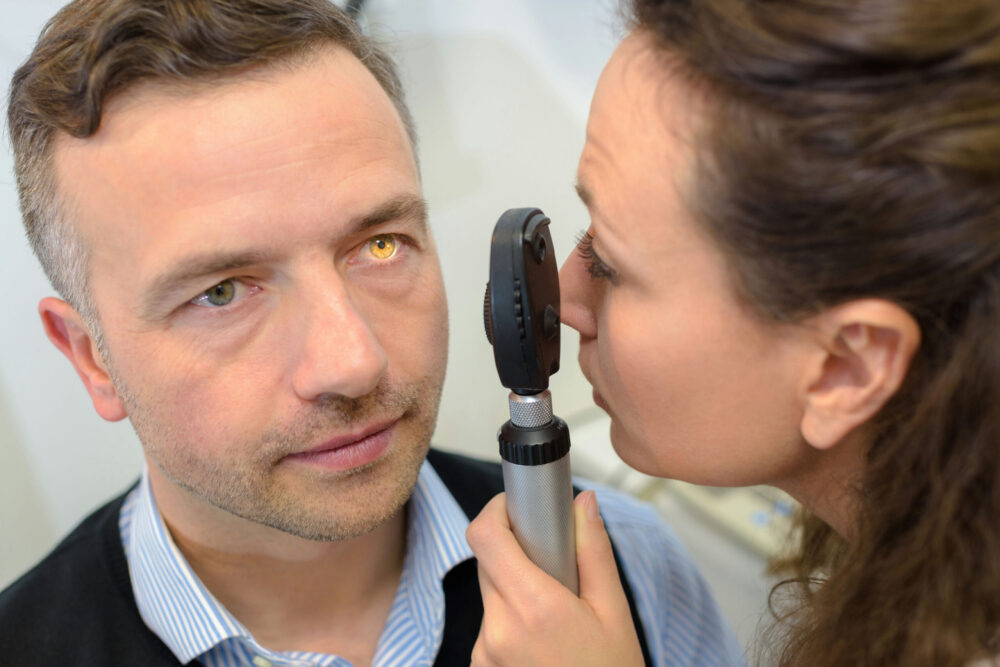
The therapy uses bilateral stimulation, which typically involves following a therapist’s finger movements with the eyes, though tapping or auditory tones may also be used. This stimulation appears to help the brain process difficult memories in a way that reduces their emotional intensity. Unlike traditional talk therapy, EMDR does not require detailed discussion of the distressing event or homework between sessions.
EMDR is based on the idea that some traumatic experiences may not be fully processed and can continue to affect a person’s emotional responses. When reminders of an event arise, a person may experience fear, anxiety, shame, or other reactions that feel connected to the original experience. EMDR aims to help the person process these memories so they become less distressing.
The approach is structured and guided by a trained clinician. It does not erase memories or change what happened. Instead, treatment focuses on changing how a person experiences and responds to memories of distressing events.
Who May Benefit
From EMDR?
People may consider EMDR when traumatic memories continue to affect their relationships, work, sleep, or ability to manage everyday stress. Some individuals experience intrusive thoughts, nightmares, avoidance, heightened alertness, or strong emotional reactions when something reminds them of a difficult event. Others may have trouble identifying why certain situations trigger anxiety or distress.
A clinical assessment determines whether EMDR is appropriate for each person. Treatment suitability can depend on a person’s symptoms, history, current stressors, and ability to manage difficult emotions. EMDR may not be the right starting point for someone in acute crisis, actively destabilized, or not yet engaged in foundational treatment. Clinicians typically ensure a person has adequate coping skills and stability before beginning memory-processing work.
EMDR is not a universal treatment, and it may not be appropriate for every mental health concern. A clinician can discuss the potential benefits, limitations, and alternatives during an evaluation. Anyone in crisis can call or text the 988 Suicide & Crisis Lifeline, or call 911 in an emergency.
What Happens During EMDR Sessions?
The first phase involves gathering information about the client’s history and identifying experiences that may be contributing to current symptoms. The clinician may ask about distressing memories, emotional triggers, and treatment goals. This information helps determine whether EMDR is an appropriate approach.
Preparation is an important part of the process. Before beginning memory processing, the clinician helps the client develop coping strategies and techniques for managing emotional distress. These may include grounding exercises, relaxation strategies, and other ways to regulate emotions. Establishing these skills can help clients feel more prepared to manage difficult feelings that may arise during treatment.
During the assessment phase, the clinician and client identify a specific memory and the thoughts, emotions, and physical sensations associated with it. The processing phases then involve briefly focusing on aspects of the memory while experiencing bilateral stimulation. The clinician guides the process and checks in with the client throughout the session.
The later phases focus on strengthening more adaptive beliefs, noticing physical sensations, and ensuring the client feels grounded before the session ends. Treatment also includes reevaluation to assess progress and determine what needs further attention.
The client remains in control throughout the process and can communicate when they need a break. Some people notice temporary effects after sessions, such as vivid dreams, heightened emotions, or fatigue. Clients should discuss any ongoing or concerning reactions with their clinician.
How Does EMDR Fit Into Bright Sky’s Programs?
Bright Sky also offers other trauma-focused approaches, including Brainspotting, Somatic Experiencing, and Internal Family Systems therapy. These approaches offer different ways to explore emotional experiences, understand patterns, and develop healthier responses to distress. A clinician can help determine which approach fits best based on individual needs and treatment goals.
EMDR may be one part of a broader treatment plan rather than a standalone solution. Some adults benefit from combining trauma-focused therapy with other forms of mental health support. The appropriate combination depends on symptoms, personal history, treatment goals, and clinical recommendations.
People who are also experiencing substance use concerns may need coordinated support that addresses both conditions. Bright Sky’s dual diagnosis treatment approach provides care for mental health and substance use concerns together.

How Are Trauma and Substance Use Connected?
Some people use alcohol or other substances to cope with painful memories, anxiety, sleep problems, or emotional distress. Although substances may temporarily numb difficult feelings, they do not resolve the underlying experiences. Over time, substance use can create additional challenges, including changes in relationships, physical health, and emotional well-being.
Trauma symptoms can also complicate recovery from substance use. Reminders of past experiences may contribute to stress, cravings, or difficulty maintaining healthy routines. Without appropriate support, these challenges can make it harder to focus on recovery.
Addressing both concerns together can support more coordinated care than treating them separately. A dual diagnosis treatment program can help individuals work on mental health symptoms and substance use concerns as part of an integrated treatment plan.
EMDR may be considered when trauma-related symptoms are part of a person’s clinical needs, and the individual is ready for this type of therapy. However, trauma processing is not always the first step in recovery. Stabilization, coping skills, and support for substance use may need to come first.

Is EMDR Available in Central Oregon?
The outpatient structure allows clients to attend treatment while maintaining daily responsibilities at home and work. Depending on the level of care recommended, individuals may participate in scheduled therapy and other clinical services while continuing to manage aspects of their everyday routines.
For people exploring EMDR in Central Oregon, it is important to ask about clinician availability, treatment qualifications, and whether the approach is appropriate for their circumstances. Not every clinician offers EMDR, and not every client will be a candidate for memory-processing therapy.
Bright Sky’s admissions team can provide information about available programs and help individuals understand the next steps in exploring care.
EMDR Therapy FAQs
Bright Sky Integrative Recovery is out-of-network with insurance carriers. Coverage for EMDR and other services depends on each person’s specific plan and out-of-network benefits.
The team can help clients understand their benefits and pursue reimbursement from their insurance. Before starting treatment, ask whether EMDR is available through the recommended level of care and whether the service is covered under your plan. Out-of-network benefits, deductibles, coinsurance, and reimbursement requirements can vary.
For more information about payment options and coverage, visit the Bright Sky admissions page.
The number of sessions varies based on the complexity of what is being addressed, the client’s treatment goals, and their response to therapy. Some people notice changes within a few sessions, while others with more extensive trauma histories may benefit from longer treatment. A clinician can provide a better estimate after an assessment.
EMDR is considered a safe, evidence-based treatment when provided by a trained clinician who can assess readiness and provide appropriate support. Temporary increases in distress during or after sessions can occur and should be discussed with the therapist. Preparation and coping strategies are important parts of the process.
No. EMDR does not require detailed verbal descriptions of traumatic events. Clients can process memories without sharing every detail with the therapist. However, the clinician will need enough information to understand the treatment goals and guide the process safely.
EMDR was developed for trauma but may also help with anxiety, particularly when anxiety is connected to specific distressing memories or experiences. A clinical assessment can determine whether EMDR is appropriate or whether another therapeutic approach may be a better fit.
EMDR may be available during individual therapy sessions for some clients, depending on clinician availability and clinical appropriateness. Contact Bright Sky to confirm whether this service is offered within the intensive outpatient program, standard outpatient care, or both.
Yes. EMDR may be incorporated into a broader treatment plan when clinically appropriate. Depending on a person’s needs, treatment may also involve other therapeutic approaches, psychiatric support, or care for co-occurring substance use. The clinician can recommend an approach based on the individual’s circumstances and goals.
Start EMDR Therapy at Bright Sky
Taking the first step toward addressing trauma or distressing memories can feel difficult. Bright Sky Integrative Recovery provides outpatient support for adults navigating mental health and substance use concerns in Central Oregon. Through individualized treatment planning, clients can explore available therapeutic approaches and work with clinicians to identify appropriate next steps.
If you are considering EMDR or want to learn more about available treatment options, reach out to Bright Sky’s admissions team. The team can help explain available services, discuss program options, and determine whether the program may be appropriate for your needs.